
Table of Contents
How to Stop Roof Leakage in Islamabad Before the Monsoon Hits
The first time I saw water trickling down my living room wall during a monsoon downpour, I felt that familiar pang of dread. The white paint was already bubbling, and within hours, I was placing buckets across the floor, listening to the maddening drip-drip-drip that kept everyone awake. If you’re a homeowner in Islamabad, you’ve likely been there too. But here’s the truth: roof leakage is entirely preventable if you act before the rains arrive.
In this guide, I’ll share practical, battle-tested advice on how to stop roof leakage in Islamabad before the monsoon hits, drawing from local expertise and the latest waterproofing solutions available in the capital.
Why Islamabad Roofs Leak: Understanding the Enemy
Islamabad’s climate is beautiful but brutal on buildings. Before we fix the problem, we need to understand what we’re up against.
The Thermal Rollercoaster
Islamabad experiences extreme temperature fluctuations—scorching summers above 40°C followed by chilly winters near freezing . Your concrete roof expands in the heat and contracts in the cold. Over time, this constant movement creates micro-cracks invisible to the naked eye but large enough for water to seep through during monsoon .
Monsoon’s Relentless Assault
When July arrives, Islamabad receives heavy, sustained rainfall. Flat concrete roofs, common in Pakistani construction, allow water to pool. Without proper slope or drainage, this standing water finds every weakness in your roof’s defense .
The Aging Factor
Concrete naturally loses strength over time. Capillary cracks develop, creating pathways for water. If your home is over ten years old and hasn’t had proper waterproofing maintenance, you’re sitting on a time bomb .
Signs Your Roof Needs Immediate Attention
Don’t wait for visible leaks. Here are warning signs that you need to act now:
- Damp patches or water stains on ceilings (often yellowish)
- Peeling paint or blistering walls
- Mold or mildew growth with that telltale musty odor
- Visible cracks on the roof surface during inspection
- Efflorescence—white powdery deposits on walls indicating moisture migration
If you spot any of these, consider this your wake-up call. The monsoon is coming, and the time to act is now.
Step-by-Step Guide: How to Stop Roof Leakage in Islamabad Before the Monsoon Hits
Step 1: Conduct a Thorough Roof Inspection
Grab a sturdy ladder and get up there on a dry day. Look for:
- Visible cracks in concrete
- Gaps around plumbing pipes or HVAC units
- Damaged or missing parapet wall coping
- Ponding water areas (where water collects after rain)
- Loose or deteriorated plaster
Pro tip: After cleaning, pour water over suspect areas and check inside for leaks. This “water test” reveals problems before nature does.
Step 2: Clean Like Your Roof Depends On It
A dirty roof is a leaking roof. Remove:
- All debris, leaves, and twigs
- Dust and loose particles using a pressure washer or stiff broom
- Algae, moss, or fungal growth
- Old, peeling coatings
Clean surface ensures proper adhesion of waterproofing materials. Don’t skip this—it’s the foundation of everything that follows.
Step 3: Clear All Drainage Systems
Blocked drains are a leading cause of roof leakage. During heavy rain, water backs up and finds its way through the smallest cracks. Before monsoon:
- Clean all gutters, downspouts, and roof drains
- Remove debris from scuppers and drainage holes
- Ensure water has a clear path off your roof
I learned this lesson the hard way when my roof drain clogged with leaves, turning my terrace into a swimming pool that eventually leaked into the bedroom below.
Step 4: Repair All Cracks and Joints
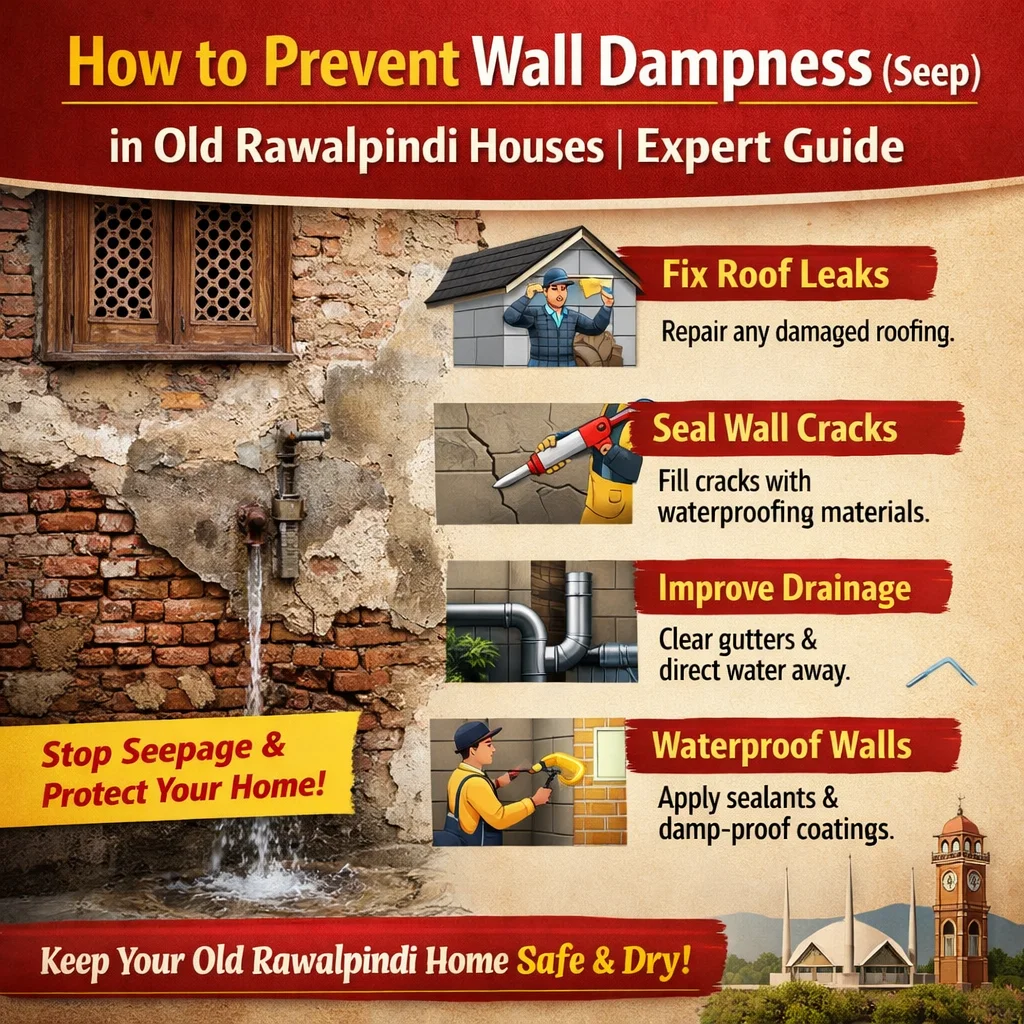
This is where the real work begins. For concrete roofs:
- Widen small cracks with a grinder to create a “V” groove
- Clean out all dust and debris
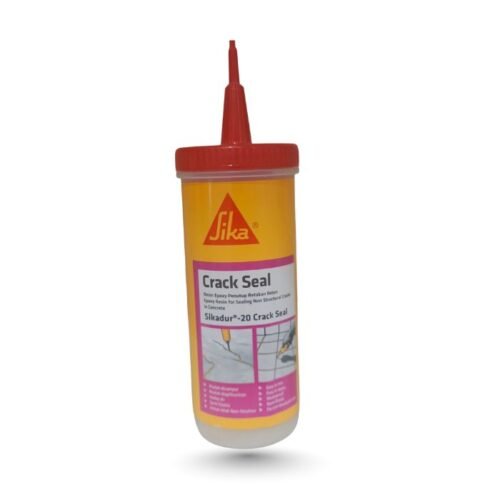
- Apply a high-quality crack filler or sealant
- For larger cracks, use epoxy injection or cementitious repair mortar
Pay special attention to:
- Wall-floor joints where parapet meets roof
- Areas around drain pipes
- Expansion joints
- Anywhere different materials meet
Step 5: Apply Professional-Grade Waterproofing
Now for the main event. Based on your roof type and budget, choose your weapon:
For Concrete Roofs and Terraces
Polyurethane Liquid Membrane
- Excellent flexibility and crack-bridging ability
- UV resistant and durable
- Forms seamless, monolithic protection
- Best for: Flat roofs with moderate to heavy leakage risk
Acrylic-Based Coatings
- Affordable and easy to apply
- Good UV resistance
- Reflective properties reduce heat absorption
- Best for: Budget-conscious homeowners, sloped roofs
Bitumen Membranes
- Traditional, time-tested solution
- Excellent water resistance
- Can last 10+ years when properly applied
- Best for: Flat roofs, foundations, high-traffic areas
Cementitious Waterproofing
- Easy to apply with brush
- Bonds well with concrete
- Good for positive and negative side waterproofing
- Best for: Water tanks, bathrooms, small roof areas
Step 6: Ensure Proper Slope and Drainage
If your roof has standing water after rain, no waterproofing will last. Consider:
- Adding slope with lightweight screed concrete
- Installing additional drains in low spots
- Creating proper channels to guide water
This is structural work that may require professional help, but it’s worth every rupee for long-term peace of mind.
Step 7: Apply Protection and Reflective Coatings
For exposed roofs, consider:
- A final reflective topcoat to reduce heat absorption
- Tile or brick paving over waterproofing (traditional mud-tile system)
- Protective screed in high-traffic areas
This extends the life of your waterproofing and improves home comfort.
Choosing the Right Waterproofing Products for Islamabad
Not all waterproofing chemicals are created equal. For Islamabad’s unique climate, consider these top performers:
Sika Solutions
Sika offers a comprehensive range trusted by professionals worldwide:
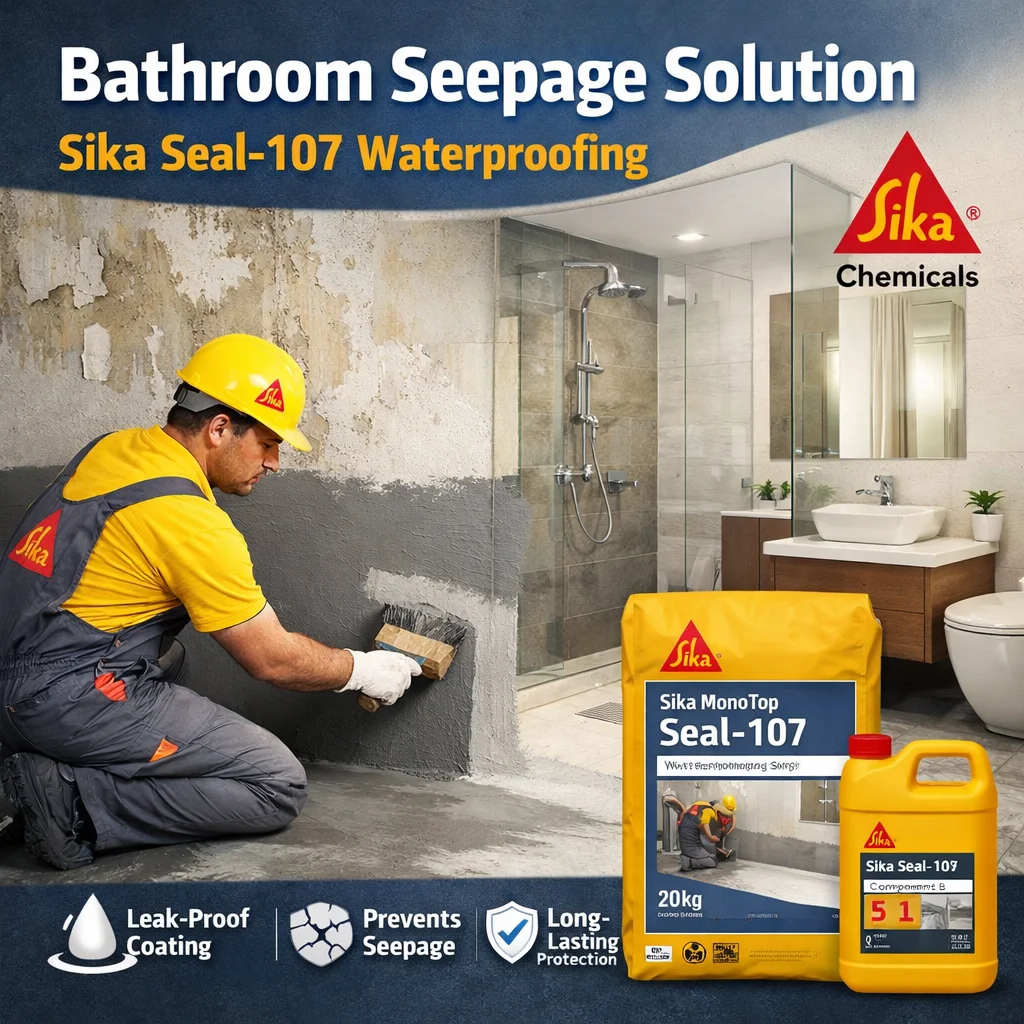
- SikaTop® Seal-107: Two-component cementitious coating ideal for bathrooms, water tanks, and roof repairs. Excellent adhesion to concrete and masonry .
- Sikalastic®-1K: One-component polymer-modified liquid membrane with crack-bridging ability—perfect for terraces and foundations .
- Sika® RainTite Kit: Acrylic-based, UV-resistant system designed specifically for roofs and balconies .
What makes Sika stand out is its proven performance in Pakistani conditions. Their products resist UV degradation, maintain flexibility through temperature swings, and bond strongly to local construction materials.
Application Guidelines for Best Results
| Step | Product | Method | Drying Time |
|---|---|---|---|
| Surface Primer | Diluted SikaTop or Sikalastic | Brush/roller | 2-3 hours |
| First Coat | Undiluted waterproofing | Even brush/roller | 4-6 hours |
| Second Coat | Apply perpendicular to first | Even coverage | 4-6 hours |
| Protection Layer | Reflective coating or screed | As required | Varies |
Coverage tip: Expect about 1.5–2 m² per kg per coat, depending on surface porosity .
Professional vs. DIY: What’s the Right Choice?
When DIY Makes Sense
- Small, localized leaks
- Recent homes with good existing waterproofing
- Accessible, single-story roofs
- You’re handy with tools and comfortable at heights
When to Call the Pros
- Large areas or complex roof shapes
- Multiple leak points or widespread damage
- Structural issues like poor slope or major cracks
- Multi-story buildings where safety is concern
- You want warranty-backed, long-term results
Professional waterproofing services in Islamabad typically offer:
- Comprehensive inspection with moisture meters and thermal cameras
- Proper surface preparation and crack repair
- Professional-grade application with guarantees
- Post-application water testing
Typical Costs in Islamabad
| Roof Type | DIY Material Cost (PKR) | Professional Cost (PKR/sq.ft.) |
|---|---|---|
| Small residential | 5,000 – 15,000 | 70 – 150 |
| Medium residential | 15,000 – 30,000 | 80 – 180 |
| Large/commercial | 30,000+ | 100 – 250+ |
Note: Professional rates typically include materials, labor, and warranty .
Islamabad-Specific Considerations
Dealing with Seasonal Timing
The best time for waterproofing in Islamabad is March through May, before monsoon arrives. Temperatures are moderate, allowing proper curing. Avoid:
- Peak summer heat (causes rapid drying and cracking)
- Rainy season (can’t apply on wet surfaces)
- Winter (slow curing, reduced adhesion)
The Water Table Factor
In sectors near nullahs or low-lying areas, groundwater pressure can force moisture through basement walls and ground floors. Consider comprehensive waterproofing that addresses both roof and foundation if you’re in vulnerable zones .
New Construction vs. Renovation
If you’re building:
- Incorporate waterproofing during construction, not after
- Use crystalline admixtures in concrete for internal protection
- Install proper drainage from the start
For existing homes:
- Focus on remedial measures that work with your structure
- Consider liquid-applied membranes for complex shapes
- Don’t ignore parapet walls and external finishes
Common Mistakes That Guarantee Failure
1. Applying Over Poor Preparation
The best chemical fails on a dirty surface. Clean thoroughly or watch your money wash away.
2. Skipping the Primer
Primer ensures adhesion. Without it, coatings peel within months.
3. Inadequate Thickness
Thin coats don’t last. Follow manufacturer specifications for coverage rates.
4. Ignoring Flashing and Joints
Water finds the weak points. Reinforce corners, drains, and penetrations.
5. DIY on Complex Roofs
Some jobs need professionals. Know your limits .
Emergency Measures: If Monsoon Caught You Unprepared
Sometimes, despite best intentions, the rains arrive before your repairs. Here’s what to do:
Temporary Patching
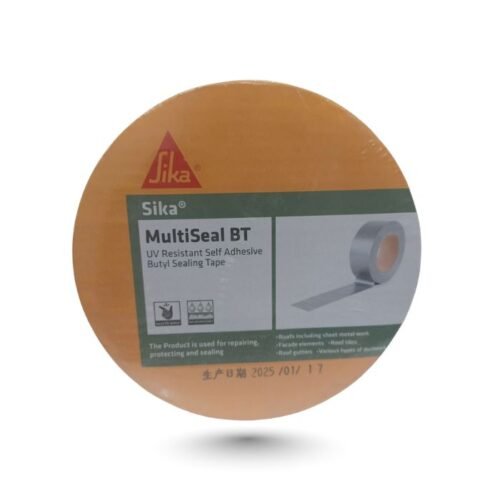
- Waterproof roof tapes: Excellent for small leaks and cracks
- Silicone caulking: Seal around pipes and penetrations
- Tarpaulin: Cover large affected areas temporarily
Inside Damage Control
- Move furniture away from leaks
- Place buckets strategically
- Pinhole leaks? Push a string through to guide water into container
- Document damage for insurance if applicable
These are temporary measures. Schedule professional repairs as soon as weather permits.
Long-Term Prevention: A Maintenance Schedule
Environmental and Energy Benefits
Good waterproofing does more than stop leaks. Modern reflective coatings:
- Reduce indoor temperatures by 3-5°C
- Lower air conditioning costs
- Extend roof life by preventing UV damage
- Contribute to energy efficiency and sustainability
In Islamabad’s hot summers, that’s a welcome bonus.
Conclusion: Your Action Plan
The question isn’t how to stop roof leakage in Islamabad before the monsoon hits—it’s whether you’ll act in time. Here’s your checklist:
- Inspect now—don’t wait for visible leaks
- Clean thoroughly—roof, drains, gutters
- Repair all cracks—use quality materials
- Choose the right system—consider Sika for proven performance
- Apply properly—or hire professionals who will
- Test your work—water test before monsoon
- Schedule regular maintenance—prevention beats cure
Ready to Protect Your Home?
At Sika Chemicals, we understand Islamabad’s unique challenges because we’ve been serving Pakistani homeowners for years. Our complete range of waterproofing solutions—from SikaTop® Seal-107 for bathrooms to Sikalastic® membranes for roofs—is available at our store, along with expert advice from people who know local conditions.
Visit us today for:
- Professional consultation on your specific needs
- Genuine, certified Sika products
- Application guidance or contractor referrals
- Competitive prices and complete solutions
Sika Chemicals
Islamabad’s Trusted Partner in Construction Protection
📍 Find us at our store or call 03329015232
📧 sikachemicals26@gmail.com
🌐 Visit our website for product details and expert guides
Don’t let another monsoon catch you off guard. The best time to fix your roof was yesterday. The second best time is now.
Have questions about your specific roof situation? Drop by our store or contact us—we’re here to help Islamabad stay dry, one roof at a time.