Table of Contents
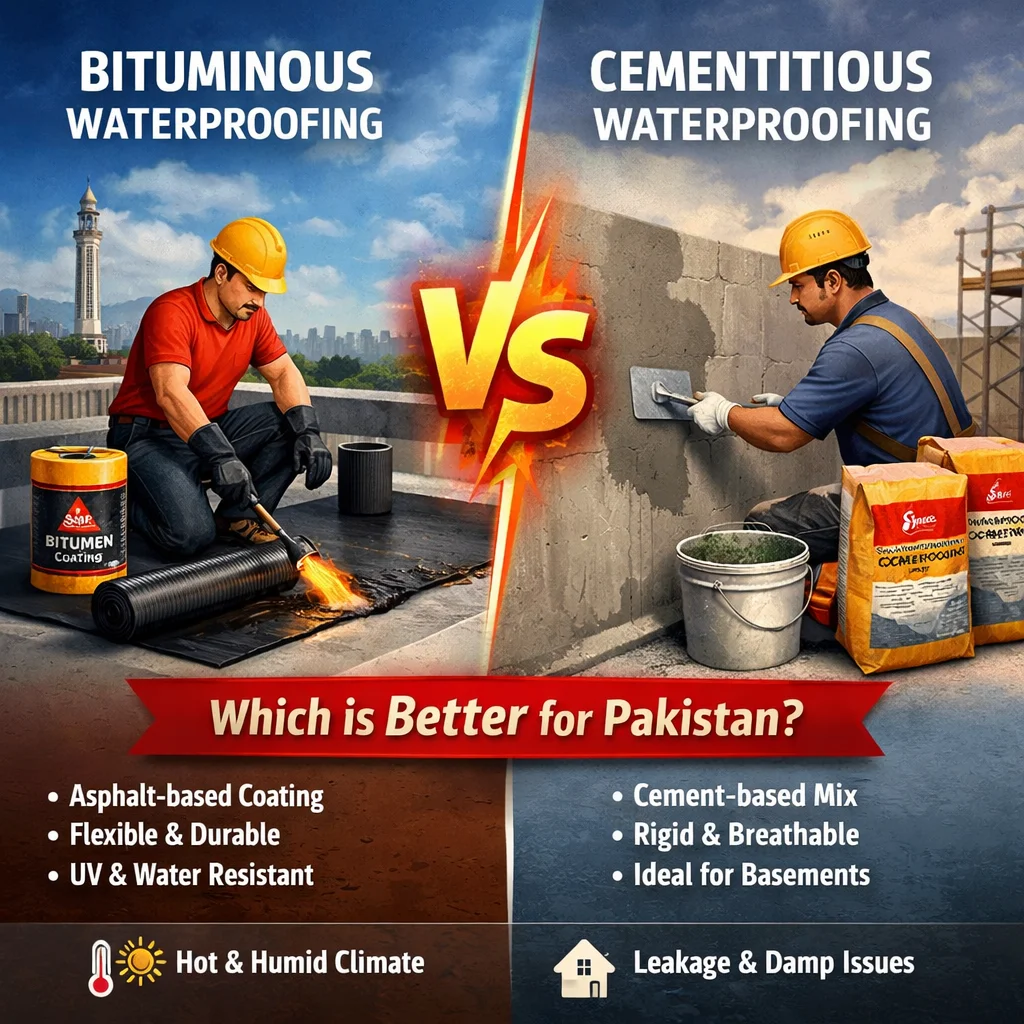
Bituminous vs. Cementitious Waterproofing: Which is Better for Pakistan?
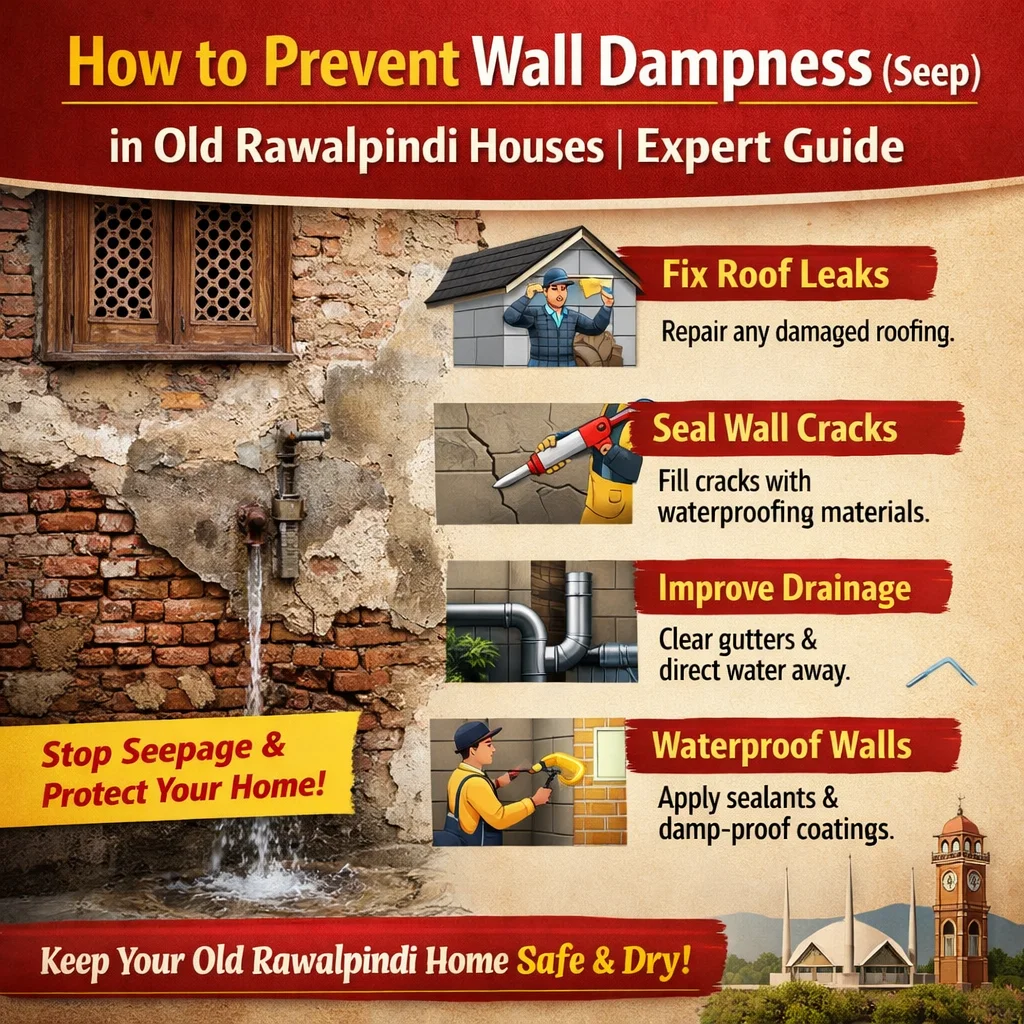
The monsoon season in Karachi arrives with a familiar rhythm—the first heavy downpour, and then the frantic calls to the mistri, the bucket placed strategically under the leak, the creeping dampness spreading across the ceiling like a stain of anxiety. If you’ve lived in Pakistan long enough, you know this scene all too well. Water seepage is not just an inconvenience; it’s a relentless adversary that weakens foundations, breeds mold, and silently erodes the value of our most significant investment—our homes .
When it comes to protecting our buildings, two names dominate the conversation: Bituminous vs. Cementitious Waterproofing. For the average homeowner in Lahore, Islamabad, or Karachi, the choice can feel overwhelming. Is the traditional, tar-like bitumen the reliable old guard? Or is the modern, cement-based solution the smarter choice?
Let’s cut through the technical jargon. Having seen the aftermath of countless leaky roofs and damp basements, I’ll walk you through the real-world differences between these two heavyweights, helping you decide which one is truly the best armor for your home against Pakistan’s harsh climate.
Understanding the Two Giants
Before we pit them against each other, let’s understand what we’re actually dealing with.
Bituminous Waterproofing: The Flexible Shield
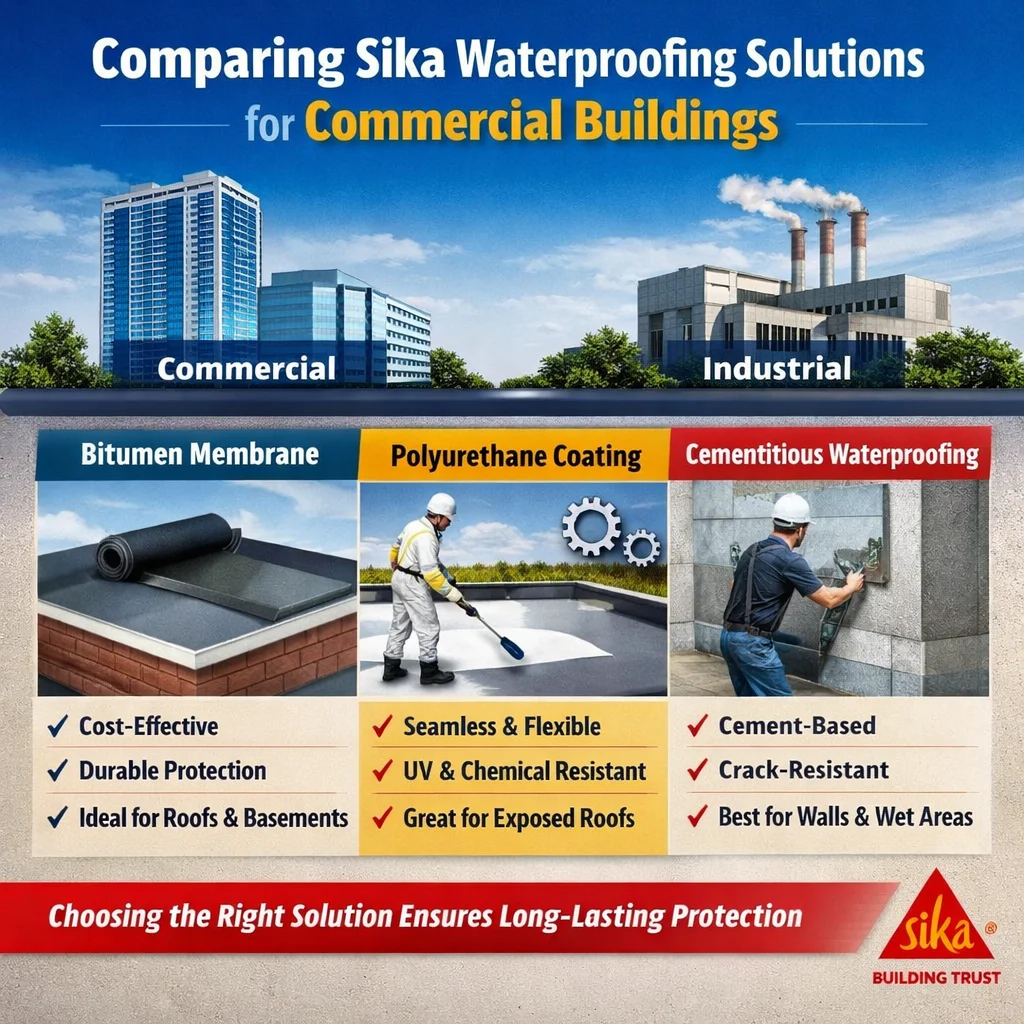
Bitumen, often called asphalt, is a sticky, black, highly viscous liquid or semi-solid form of petroleum . For decades, it has been the go-to solution for waterproofing across Pakistan. It’s the classic “tar” you see being heated up and spread on rooftops.
The magic of bitumen lies in its flexibility and adaptability. Globally, it dominates approximately 60% of the flat roof market, and in some countries, that figure exceeds 80% . Its popularity stems from its ability to be modified for different climates. For instance:
- SikaShield® P uses plastomeric polymers, making it ideal for Pakistan’s hot climates as it offers excellent heat resistance .
- SikaShield® E uses elastomeric polymers (like SBS), which remain flexible in cold climates .
Bitumen is typically applied as a torch-on membrane (where sheets are melted onto the surface) or as a liquid-applied coating that cures into a seamless, fully-adhered layer .
Cementitious Waterproofing: The Rigid Armor
Cementitious waterproofing is exactly what it sounds like—a waterproofing material that is cement-based. It’s a rigid, crystalline material that comes as a two-component system: a powder (cement and graded aggregates) and a liquid polymer . When mixed, it forms a slurry that is applied with a brush or trowel.
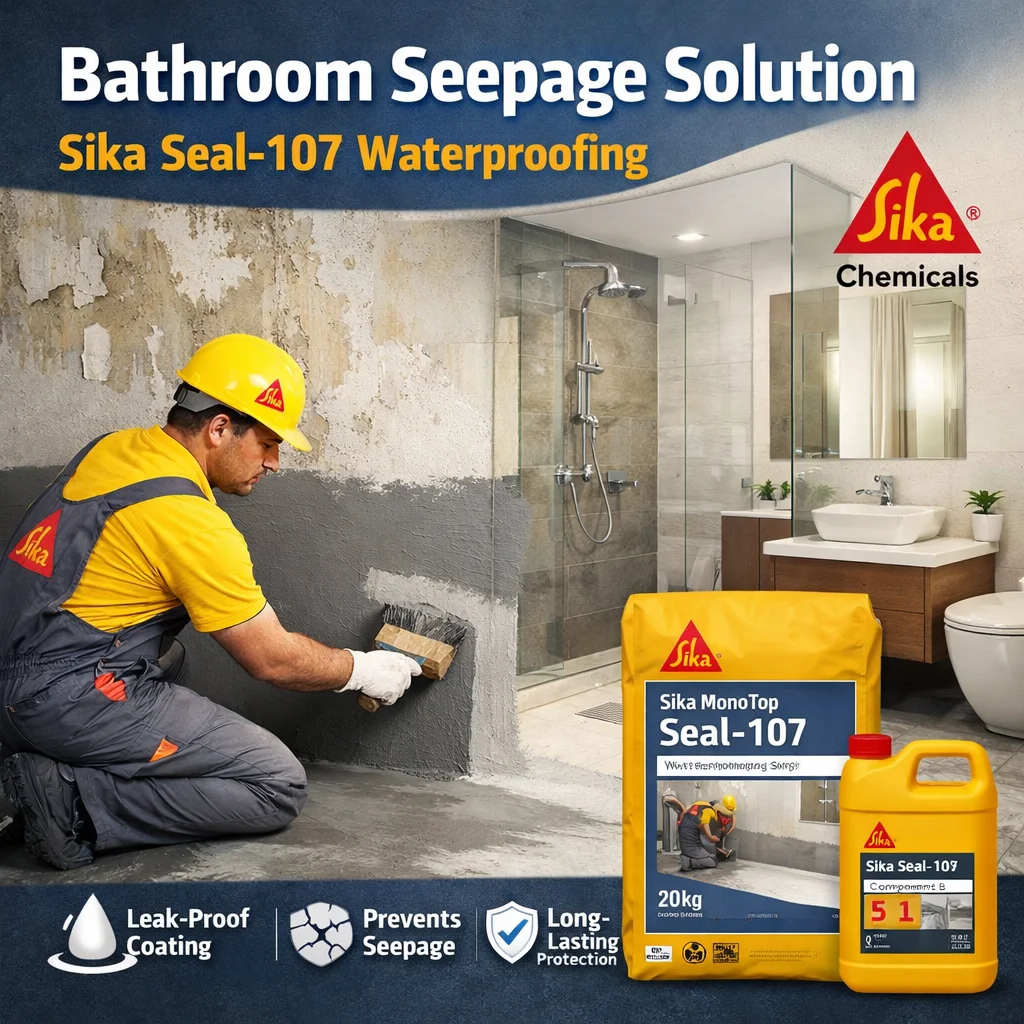
Unlike bitumen which sits on top of the surface, cementitious systems like SikaTop Seal-107 actually bond integrally with the concrete substrate, becoming part of the structure itself . They create a dense, impermeable layer that is highly resistant to abrasion and erosion . These systems are often favored for their ease of application and non-toxic nature, making them safe for use in areas like water tanks .
The Face-Off: Bituminous vs. Cementitious Waterproofing
To help you visualize the difference, let’s lay out how these two materials stack up across the criteria that matter most to Pakistani homeowners.
So, Which One is Better for Pakistan?
The honest answer is: it depends on where you are applying it.
Pakistan’s climate is diverse—scorching summers in Punjab, freezing winters up north, and the humidity of Karachi. Your choice should be dictated by the location and the specific problem you are solving.
Choose Bituminous Waterproofing For:
Your Flat Roof or Terrace: This is the classic use-case. A flat roof in Lahore or Islamabad experiences extreme temperature fluctuations, causing the concrete slab to expand and contract. A flexible, torch-on bituminous membrane (like the SBS-modified type) is ideal because it moves with the structure without tearing . It provides a durable, seamless shield against the heavy monsoon rains.
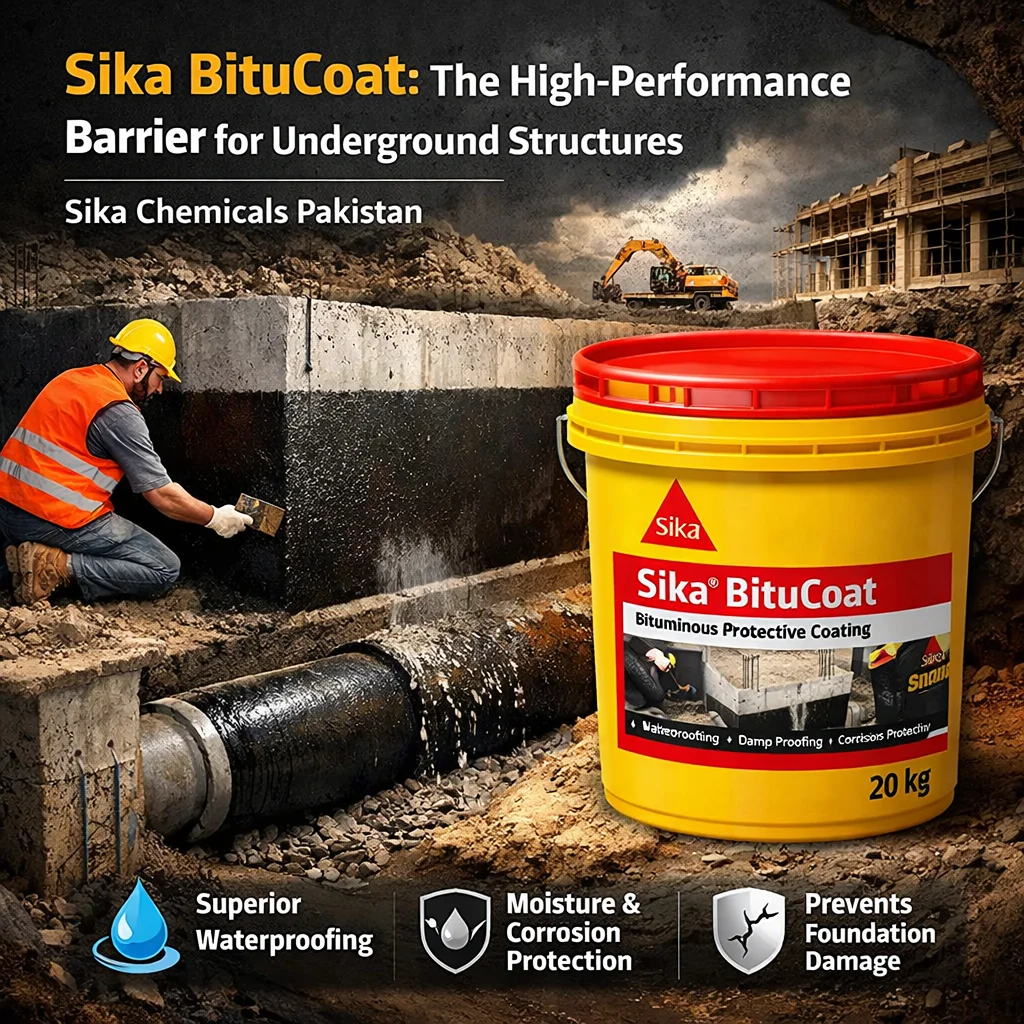
Below-Ground Structures: For foundations and external basement walls, bituminous coatings (often called “damp proofing”) provide excellent protection against hydrostatic pressure . As one local expert notes, bitumen remains a “cost-effective and widely used” solution for these large surfaces .
Choose Cementitious Waterproofing For:
Water Tanks and Pools: This is a no-brainer. The non-toxic nature of cementitious coatings like SikaTop-121 makes them safe for potable water . Their rigid, impermeable finish ensures that not a drop of water escapes, and they provide a smooth, clean surface that is easy to maintain .
Interior Wet Areas (Basements, Bathrooms): For a basement that has internal dampness issues, a cementitious coating applied to the interior walls acts as a “negative-side” waterproofing solution . It locks moisture out and creates a crisp, paintable surface, turning a damp dungeon into usable space.
Areas Requiring a Strong, Abrasion-Resistant Surface: If you are waterproofing a parking area, a ramp, or an industrial floor, cementitious waterproofing is the superior choice. Its high compressive strength (around 30 N/mm²) means it can withstand heavy foot and vehicle traffic without wearing away .
A Fresh Perspective: Thinking Beyond the Coating
While the debate of bituminous vs. cementitious waterproofing often focuses on the material itself, I’ve learned from local contractors that surface preparation is 90% of the job.
There’s a common saying in the construction industry: “A good chemical can’t fix a bad slope.”
No matter which system you choose, if your roof doesn’t have a proper slope for drainage, water will pool and eventually find a way through . Similarly, applying a premium cementitious coating over a cracked, dirty, or oily surface is like painting over rust—it’s only a temporary fix.
Moreover, market reports indicate a growing trend in Pakistan towards hybrid systems. More and more experts are using a combination of methods—for instance, applying a bituminous membrane for primary protection and topping it with a cementitious screed for durability and heat reflection . This layered approach tackles the problem from multiple angles, offering the flexibility of bitumen with the rigid strength of cement.
Conclusion: Make a Choice That Lasts
Waterproofing is not a “set it and forget it” task, but choosing the right material can drastically reduce the headaches down the line.
If your main concern is a leaky roof in a city like Lahore, where temperatures soar and then the rains hit, the flexibility of a high-quality modified bituminous membrane (like SikaShield®) is your best bet. It’s designed to withstand that thermal shock .
If you are building a water tank, finishing a basement, or need a surface that is strong, non-toxic, and long-lasting, the rigid, integral bond of a cementitious system (like SikaTop® Seal-107) is the clear winner .
Ultimately, the best choice lies in matching the material to the specific problem and ensuring it is applied by skilled professionals who understand the nuances of our local climate.
Have you faced a waterproofing challenge in your home? Which solution did you go with? Share your experiences in the comments below—your story could help a fellow Pakistani homeowner make a better decision.
Looking for certified, high-performance waterproofing solutions tailored for Pakistan’s climate? Sika Chemicals offers a comprehensive range of both bituminous and cementitious systems. Contact our support team today to get expert advice and find the perfect product for your next project.